Reserve

Badge message

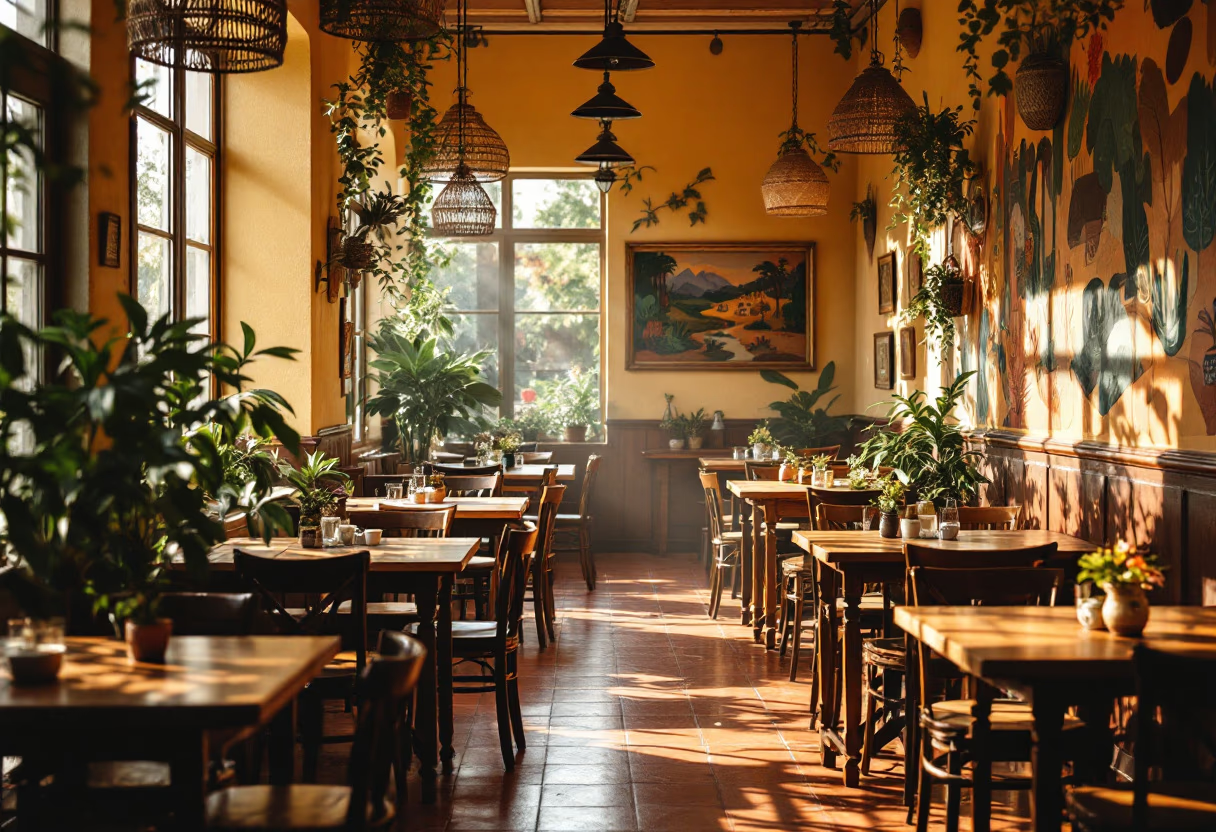
Enjoy stone baked pizza, sunny terrace views and cosy guest rooms, always with a warm, family touch. Stay for a meal, a night, or just a chat. Everyone’s invited.

From stone baked pizza to tapas on the terrace, discover the warmth, flavour and character of our family run bistro by the bay.

Golden, stone baked pizzas, made with care and served with a smile. Real food, just like it used to be.

Fresh flatbread, cut to share, with a selection of dips such as hummus. Perfect with a drink on the terrace, looking out across the bay.

Hearty bowls built on our orzo, made from emmer, the ancient grain that fed Rome, with a nutty, earthy flavour. Choose from chicken tikka, mac and cheese, vegetable and more, at the bistro or to take away for a walk along the bay. Contains gluten.

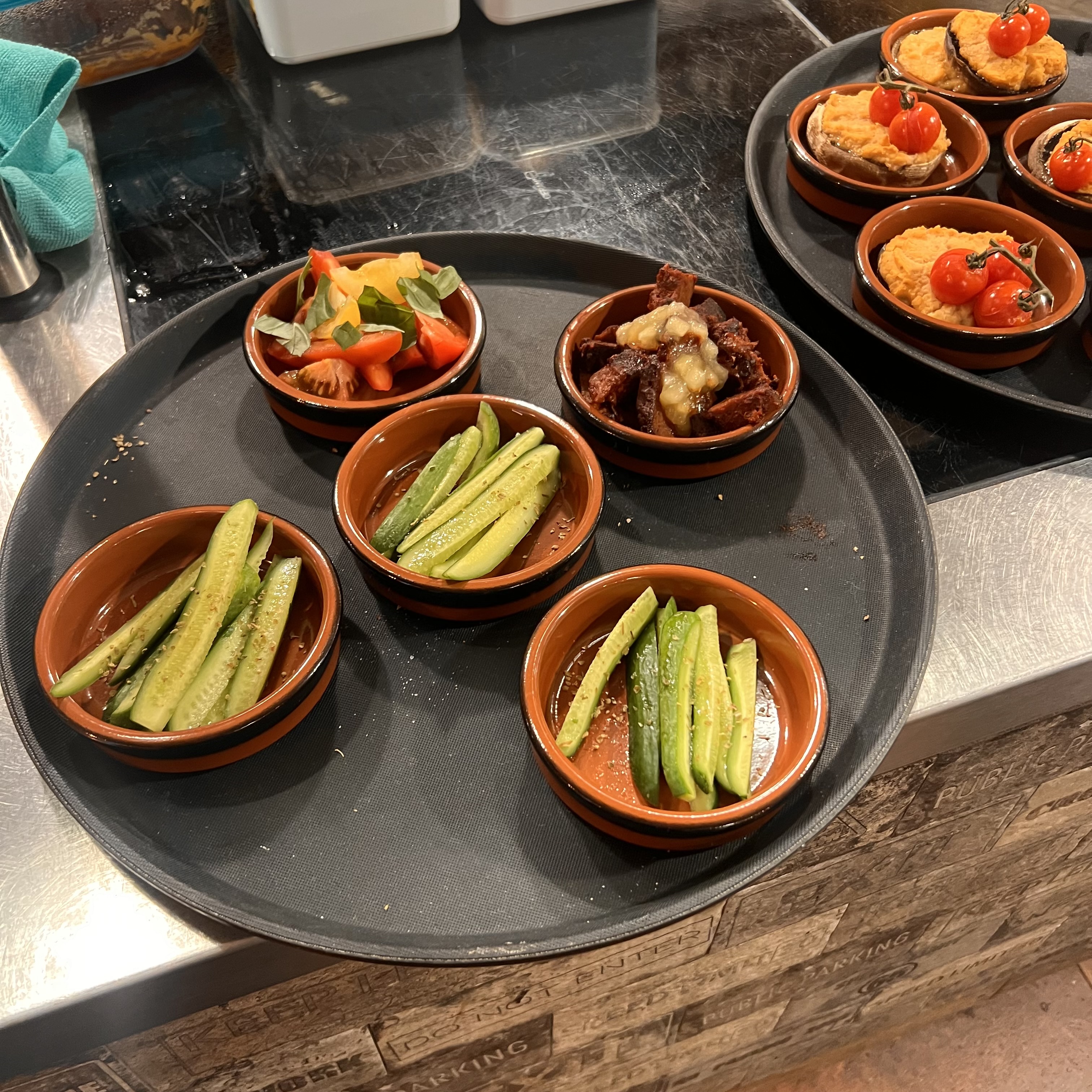
Small plates to share
Small plates made for sharing, launching with our November relaunch. Order a few, share them round the table and enjoy the view across the bay. Full menu coming soon.

Good food and good company in the sea air.

Plant-based
Fourteen nutritious ingredients, blended fresh. Oat milk and plant protein with banana, avocado and mango, fruit muesli, beetroot, coconut, hemp and flax seeds, nutritional yeast, creatine, and turmeric with black pepper.

From our kitchen
Stone baked pizzas and calzones, golden pasties and pies, a Moving Mountains burger and a warming bowl of stew. Pop in and see what’s on the counter today.
Grown in our cottage garden, cooked in our kitchen.
We will be introducing these food throughout 2027 as they become available during the Season!

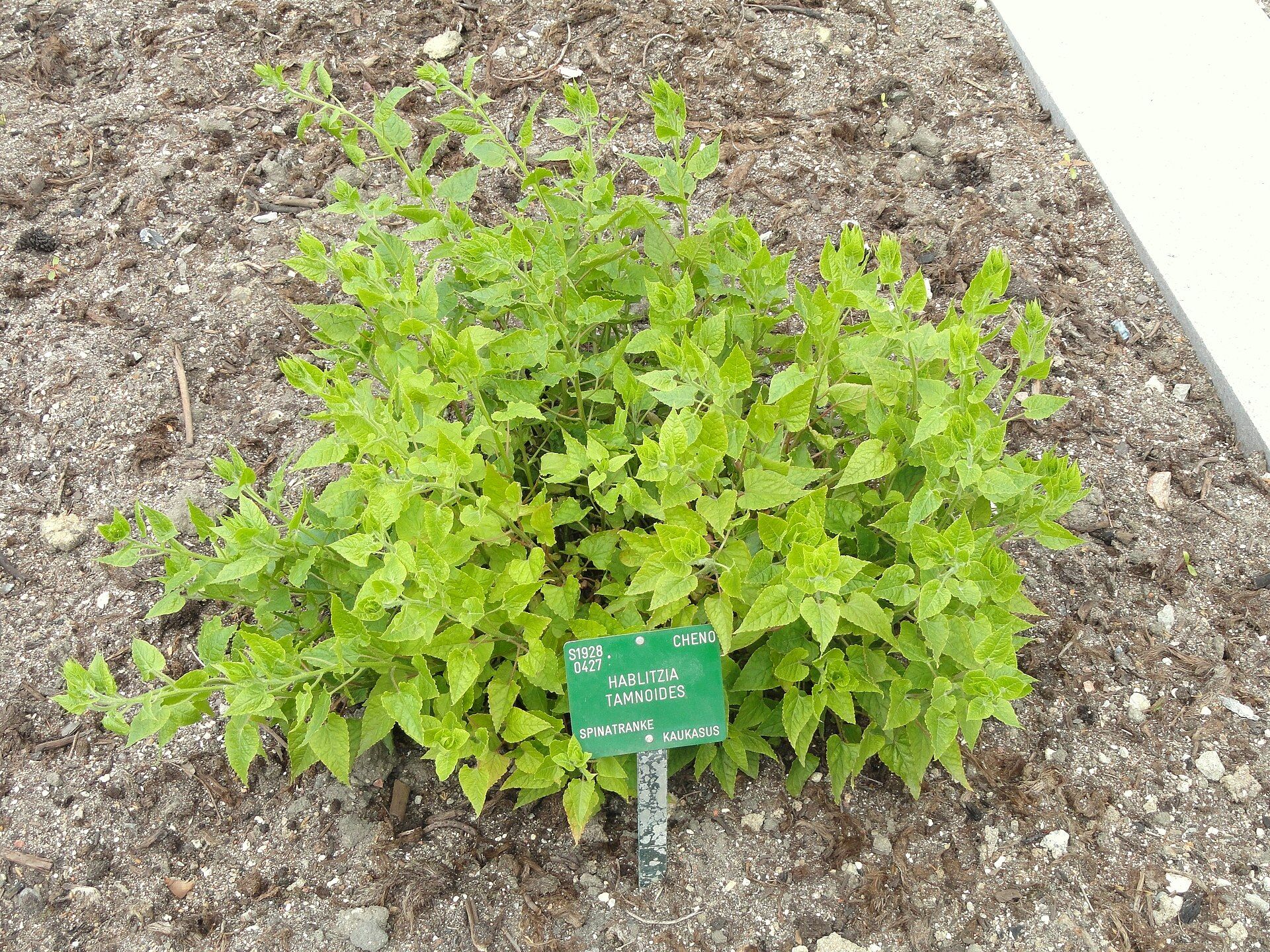
Shade tolerant, one of the very few productive leafy greens for a shady spot. Rich, moist, humus laden soil. A wetter, partly shaded corner suits it well. Fully hardy. Dies back completely in winter and reshoots from the base in early spring, among the first greens of the year. Often slow for the first year or two while it establishes, thereafter very long lived and productive each spring.
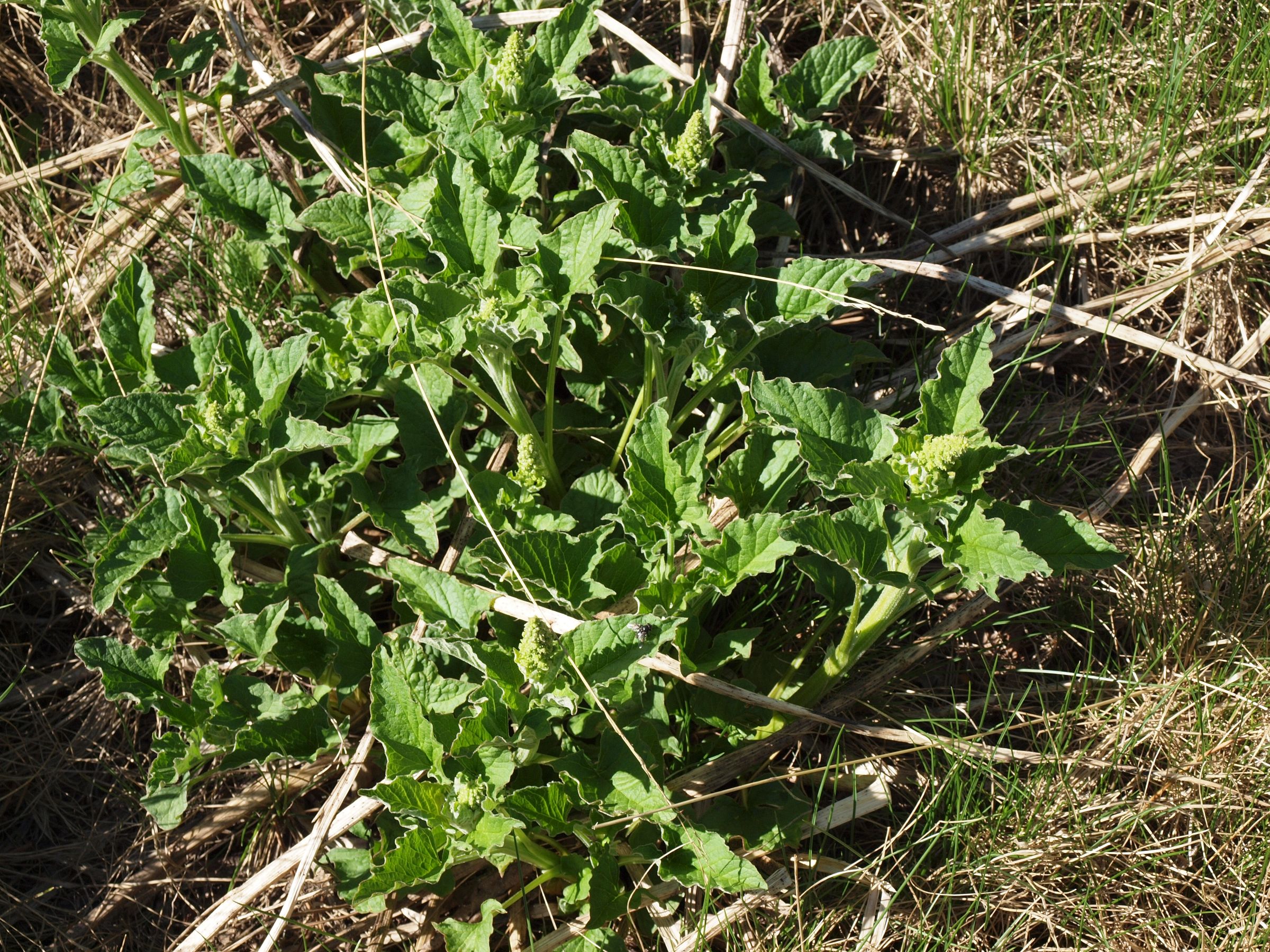
Native to the woodlands and mountain gardens of the Caucasus, Hablitzia was long grown locally as one of the first fresh greens of spring, eaten because little else was ready so early in the year, but remained almost entirely unknown to Western horticulture. Unlike most of the heritage vegetables in this list, it has no long record in British or Mediterranean kitchens, its story in the West is a recent one. Seed savers and perennial vegetable enthusiasts, with particular interest among Scandinavian growers, rediscovered it in the late 20th and early 21st centuries, prizing it as one of the very few perennial climbing greens that thrives in shade. It is still rare in cultivation and largely unknown to the wider public.
A leafy green from the same plant family as spinach and beetroot, eaten cooked in the same way. Little formal nutritional analysis has been done on it, but it brings fresh home grown greens in early spring, when very little else is ready. The taste is mild, soft and spinach like, without the metallic edge some spinach has. Like spinach it cooks down a lot, so a generous picking makes a modest portion.
Kitchen notes coming soon. We’re growing Caucasian Spinach in our cottage garden, and this is where we’ll share how it reaches your plate.
Hablitzia tamnoides
A rare climbing green from the mountain woods of the Caucasus, and one of the very few that thrives in shade. It is among the first fresh leaves of spring in our cottage garden, tender and mild, and finds its way into our kitchen wilted like spinach.

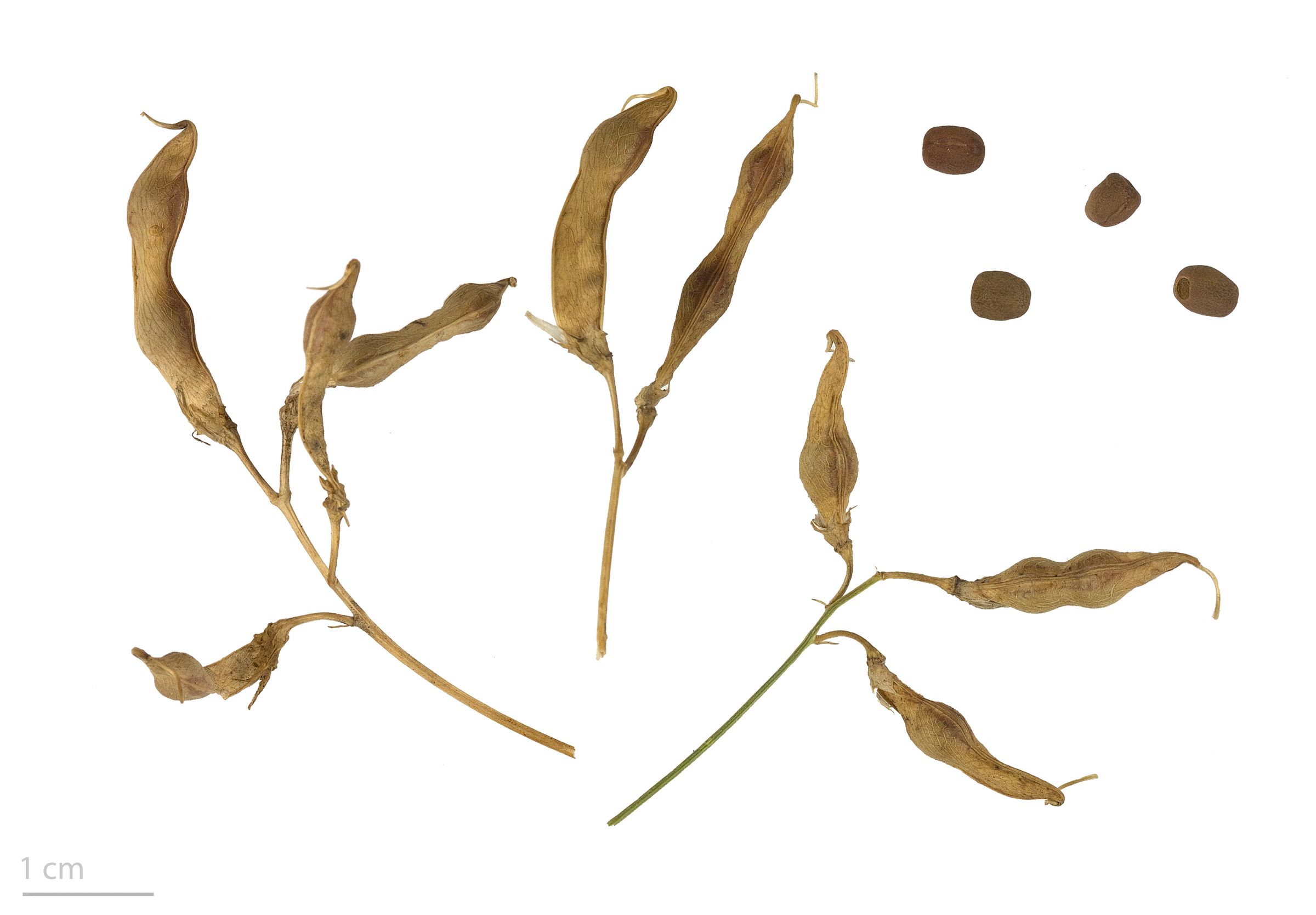
Light, well drained soil in a sunny position. A scrambling, climbing legume that fixes nitrogen, so it improves poorer soils as it grows. Fully hardy. Dies back in winter and regrows from the tubers in spring. Tubers lifted from autumn, usually from the second year once the plant has bulked up, spreads and persists thereafter.
The earthnut pea is a wild climbing legume of Europe and western Asia, long familiar in hedgerows, field margins and rough grassland. Its small, sweet tubers were dug up and eaten as a foraged country food, and in some regions it was tolerated or even encouraged as a minor crop, though just as often it was regarded as a weed of arable land. It was never truly domesticated, remaining a wild gathered food rather than a garden vegetable. Today it draws interest mainly as a nitrogen fixing perennial and an edible curiosity.
The tubers are mostly starch, with a little protein, so they give slow, steady energy like other root vegetables. They taste sweet and nutty, rather like chestnut, and are best roasted or boiled. The tubers are small and slow to bulk up, so they come to the table as an occasional treat rather than a staple. As a legume the plant makes its own nitrogen, so it grows without added fertiliser.
Kitchen notes coming soon. We’re growing Earthnut Pea in our cottage garden, and this is where we’ll share how it reaches your plate.
Lathyrus tuberosus
A wild hedgerow climber with rose pink pea flowers and small underground tubers that taste sweet and nutty, rather like chestnut. As a legume it feeds the soil as it grows, so it earns its place in our cottage garden twice over.

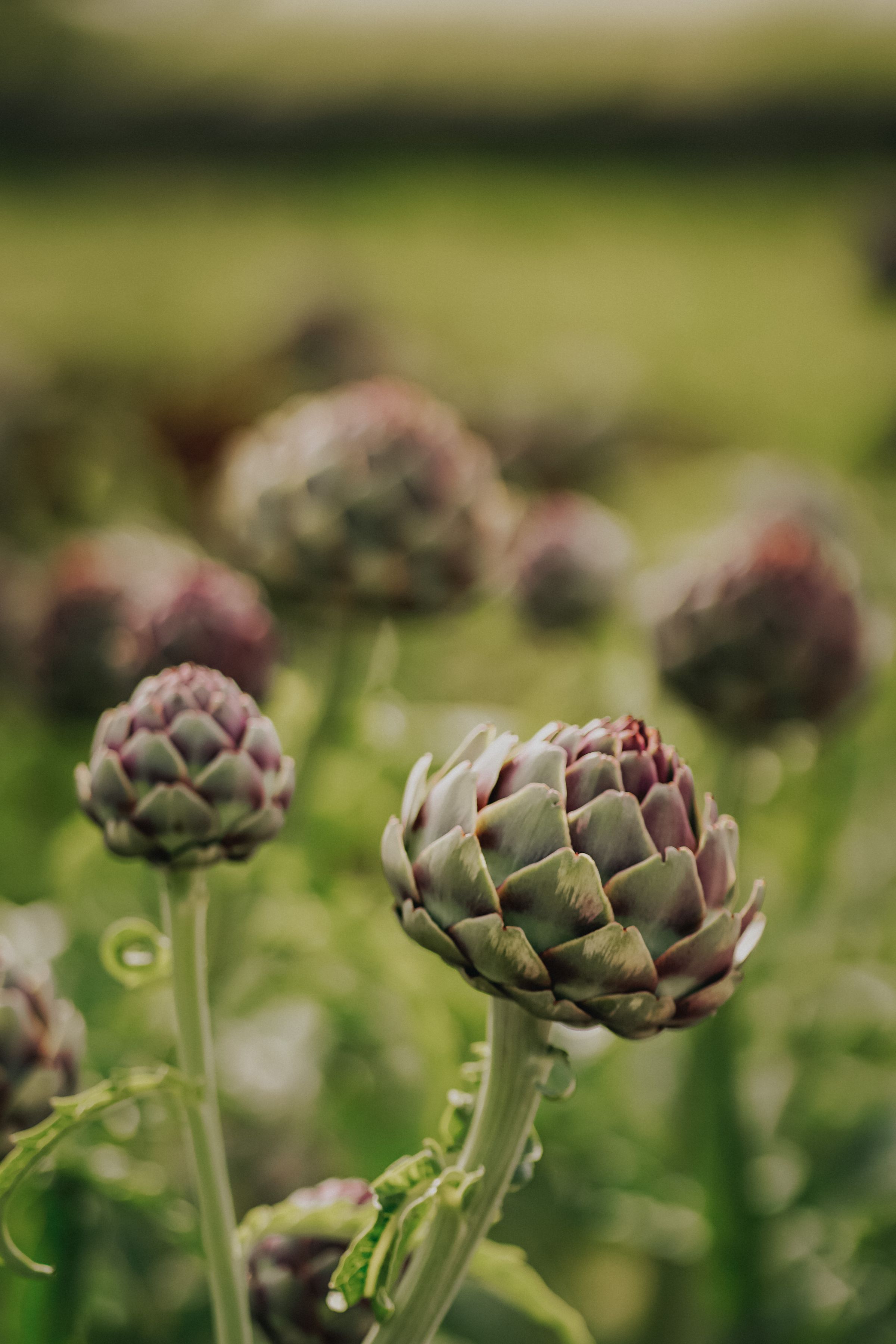
Full sun in rich, well drained soil. A large, architectural plant (to about 1.5 m) that needs space and some warmth, sharp drainage matters most over a wet winter. Hardy in milder areas but vulnerable in cold, wet winters: mulch the crown thickly and protect in hard frosts. A mild, free draining coastal garden suits it, a wet site is the main risk. Light crop in the first year, fuller from the second, replace or repropagate plants every few years as cropping declines.
Descended from the wild cardoon of the Mediterranean and North Africa, the globe artichoke was eaten in some form by the Greeks and Romans and refined into its plump budded form across the medieval Arab world and Renaissance Italy. It became a prized luxury of European courts, Catherine de’ Medici is said to have helped popularise it in 16th century France, and reached Tudor England as an exotic delicacy for grand kitchen gardens, where Henry VIII is reputed to have been fond of it. Always a vegetable of warmth and means, it never became an everyday crop in cooler Britain, and it endures as a striking, slightly luxurious garden plant and gourmet vegetable.
Artichokes contain fibre, including inulin, a type of fibre also found in chicory and Jerusalem artichoke. The flavour is delicate, nutty and slightly sweet, richest in the heart. They contain a compound called cynarin, which makes the next sip of water or wine taste oddly sweet, which is why wine lovers sometimes find them tricky to pair. A substantial, whole vegetable that brings a sense of occasion to a plant based plate.
Kitchen notes coming soon. We’re growing Globe Artichoke in our cottage garden, and this is where we’ll share how it reaches your plate.
Cynara cardunculus var. scolymus
A bold, silver leaved plant from the Mediterranean, prized since Roman times for its tender flower buds. In our cottage garden it is as handsome as it is useful, and in the kitchen the buds and hearts are steamed, grilled or dressed with lemon and garlic.

Full sun to partial shade. Rich, well drained soil with plenty of organic matter, tolerates most soils but prefers a slightly alkaline to neutral pH. A good plant for the edge of a bed where it can stay put for years. Fully hardy in the UK. Dies back in winter and comes back in early spring, no protection needed. Take only a light pick in year one, from year two, harvest spring shoots and leaves through much of the season. A well sited plant crops dependably for years, a true cut and come again perennial.
A truly ancient European green, Good King Henry belongs to the goosefoot family and is a relative of the wild fat hen that fed communities since prehistoric times. By the medieval period it was a fixture of cottage and monastery gardens across Britain and northern Europe, valued as a dependable spring vegetable when little else was ready. Its curious name is thought to derive from the German Guter Heinrich (“Good Henry”), distinguishing this useful plant from a poisonous lookalike known as “Bad Henry”. As cultivated spinach and higher yielding annual vegetables spread from the 18th century onward, it slipped quietly out of kitchen gardens, and is only now being rediscovered by growers of perennial and low input food.
A leafy green from the goosefoot family, a cousin of spinach and quinoa, with a flavour somewhere between spinach and asparagus. Like spinach and sorrel the leaves contain oxalic acid, which is why they are always cooked and enjoyed in sensible amounts. The spring shoots are the prize, tender and asparagus like when lightly steamed. A hardy perennial grown with minimal inputs, widening variety beyond the usual greens.
Kitchen notes coming soon. We’re growing Good King Henry in our cottage garden, and this is where we’ll share how it reaches your plate.
Chenopodium bonus-henricus
A hardy cottage garden favourite once known as poor man’s asparagus. It gives us young shoots in spring and broad green leaves through much of the year, returning faithfully every season. Always cooked, never raw, it wilts beautifully into pies, soups and pasta.

Moist soil and partial shade. A tender, creeping plant of warm, wet climates, it needs consistent moisture and warmth, so a container that can be moved, or a sheltered spot under cover, works best. Not reliably hardy in the UK. It will not survive a cold, wet Welsh winter outdoors. Grow in a container kept frost free (conservatory, greenhouse or windowsill), or treat as a tender plant under cover. The least suited of the eleven to open garden growing here. Pick young leaves through the warmer months once established, year round only if kept warm under cover.
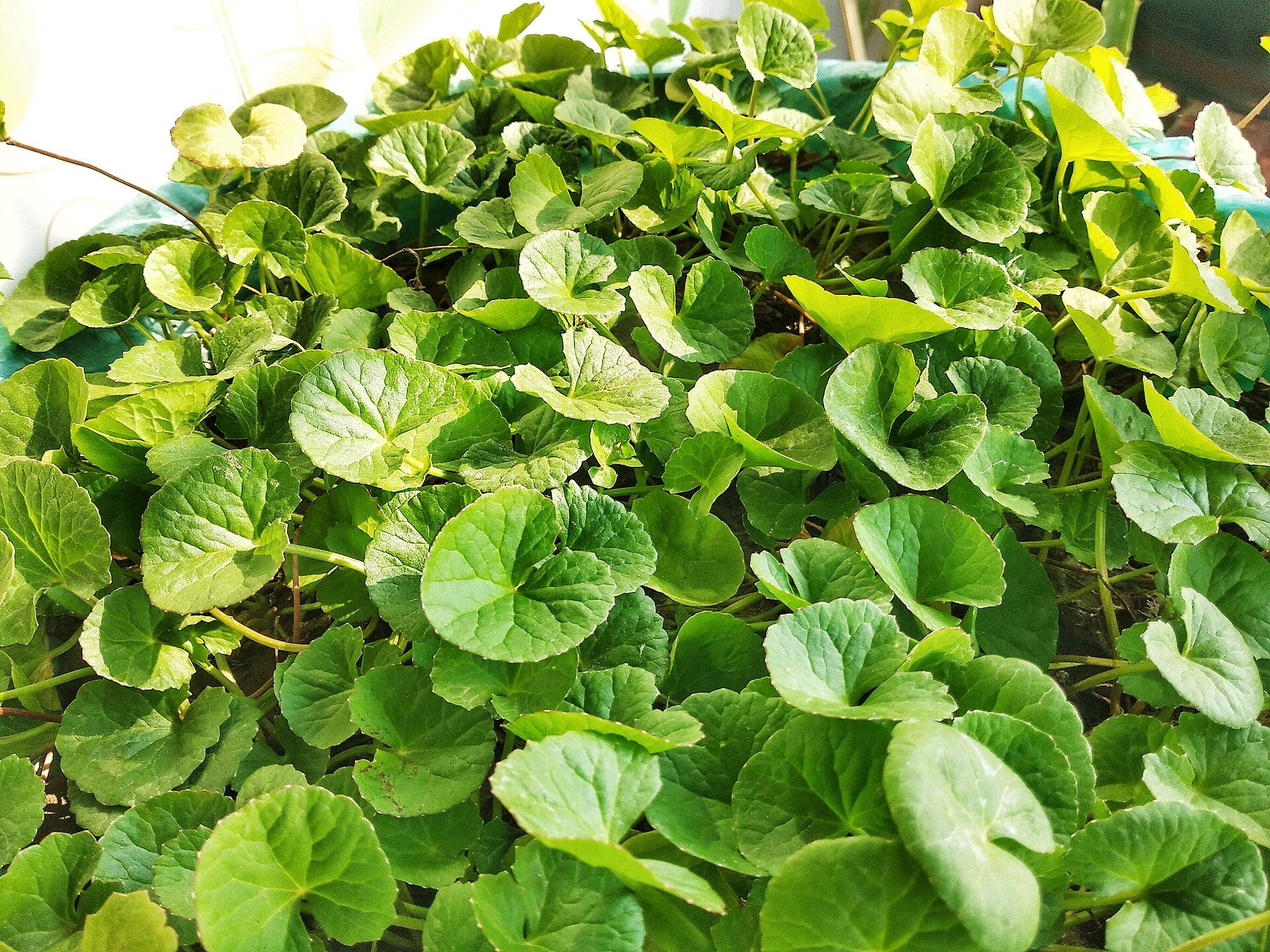
Gotu kola is a plant of the warm, wet regions of Asia, from India and Sri Lanka to Southeast Asia and southern China, where it has been eaten for thousands of years. In Sri Lankan cookery it is enjoyed as a fresh leaf. Unlike the European perennials here, it has no British growing tradition. It joins our garden as a reminder of the wider, global heritage of leafy greens.
A fresh leaf eaten raw, so nothing is lost to cooking. The taste is grassy and mildly bitter, a little like parsley with a gentle green bite. In Sri Lanka it is finely shredded into gotu kola sambol with coconut, lime, shallot and chilli, which balances the bitterness perfectly. Used in small amounts, it adds a fresh, herbal lift to salads.
Kitchen notes coming soon. We’re growing Gotu Kola in our cottage garden, and this is where we’ll share how it reaches your plate.
Centella asiatica
A low, creeping herb from the warm, wet parts of Asia, with small fan shaped leaves. Too tender for a Welsh winter outdoors, so we grow it under cover. The fresh leaves are mildly bitter and grassy, lovely shredded into salads as they are in Sri Lankan cooking.

Full sun to partial shade. Moist but well drained, rich soil. A tall plant (to 1.5 to 2 m), so give it a back of border position where it won’t shade smaller crops. Fully hardy. Dies back in winter and returns each spring, no protection needed. Usable leaves from the first or second year, an established plant is very long lived and highly productive.
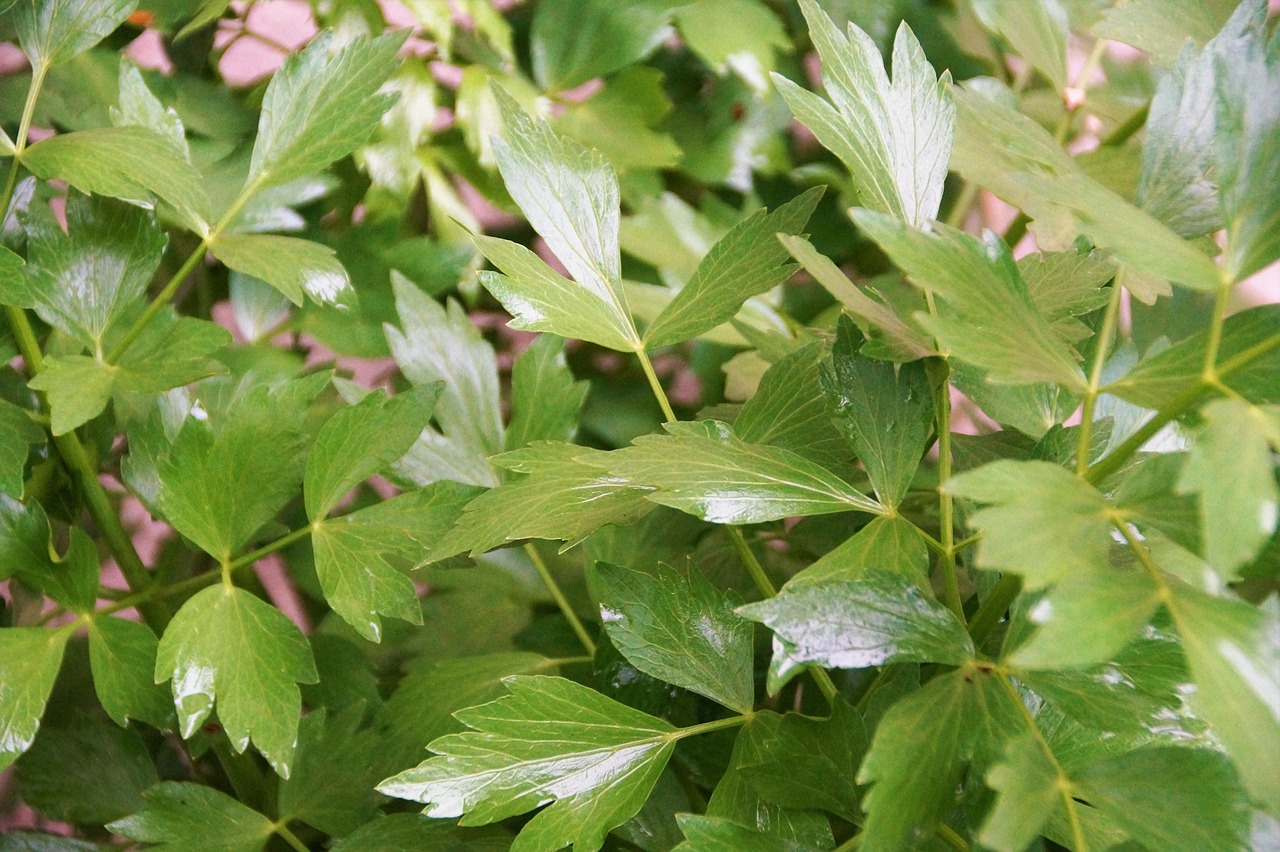
Lovage travelled north with the Romans, who valued it as both a kitchen herb and a medicine and carried it across their empire. It became a staple of medieval monastery and physic gardens, it is among the herbs listed in Charlemagne’s royal estate decree, the Capitulare de villis, and was prized for its powerful celery like flavour at a time when seasonings were few. As cultivated celery and a wider range of herbs and spices became available in later centuries, lovage gradually faded from everyday cooking, surviving mainly in old cottage gardens and herbals. It is now enjoying renewed interest among cooks rediscovering forgotten flavours.
Lovage tastes like celery turned up loud, with a warm, slightly peppery and yeasty edge. That strength means a little goes a long way, adding savoury depth with less need for salt or stock cubes. The leaves, the hollow stems and even the seeds are all used, the stems once candied like angelica. A fresh, whole plant seasoning that brings aromatic variety to soups and potato dishes.
Kitchen notes coming soon. We’re growing Lovage in our cottage garden, and this is where we’ll share how it reaches your plate.
Levisticum officinale
A tall, generous herb carried north by the Romans and grown in monastery gardens for centuries. Its leaves have a deep celery flavour, so a single plant in our cottage garden goes a long way, adding savoury depth to our soups, stocks and potato dishes.

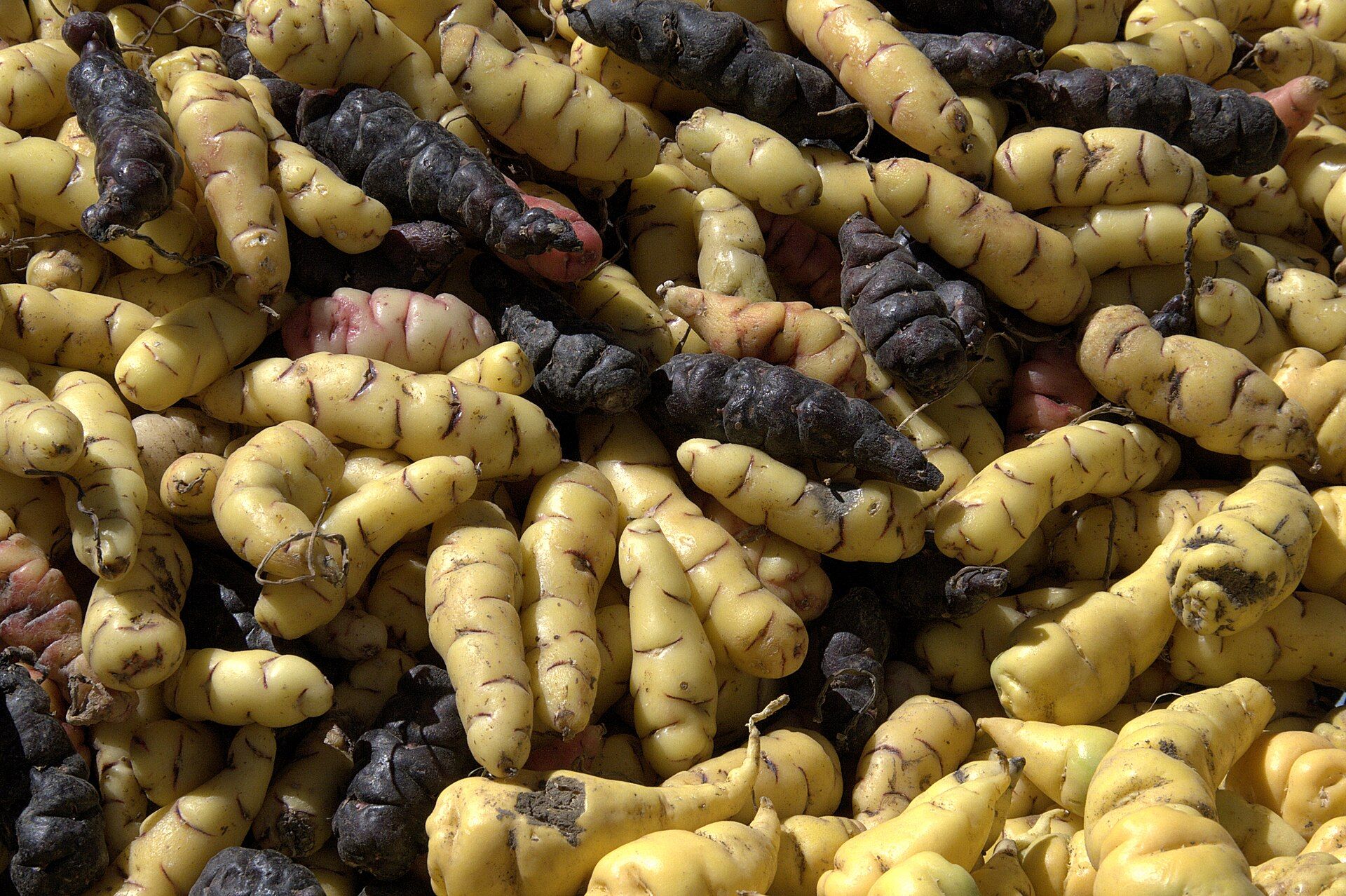
Full sun. Light, fertile, well drained soil, tubers can rot in cold, wet ground over winter, so raised beds or a sheltered spot help in a wet area. A perennial in its native Andes, but not winter hardy in the UK, frost kills the top growth and tubers left in cold wet ground usually rot. Grown here as an annual: lift the tubers in late autumn after the first frost blackens the foliage and store a few frost free to replant. A polytunnel or cover noticeably improves the crop. Harvest late autumn, in the first year of planting (grown as an annual). Leave tubers in the sun a few days after lifting to sweeten.
Oca has been cultivated high in the Andes for thousands of years, where it ranks among the most important traditional tubers after the potato. Grown by Andean peoples long before European contact, it sustained communities in cold, high altitude conditions where few other crops thrived. In the 19th century it was carried abroad, reaching New Zealand, where it became popular enough to earn the name “New Zealand yam”, and Europe, where it was trialled but never rivalled the potato. In Britain it remains a curiosity grown chiefly by heritage crop and permaculture enthusiasts.
A starchy tuber like the potato, but with a crisp texture and a bright, lemony tang. That tang comes from oxalic acid, the same acid that gives sorrel and rhubarb their sharpness. Leaving the tubers in the sun for a week or so after lifting softens the sharpness and brings out their sweetness. Naturally gluten free, it brings colour and variety where a potato would normally go.
Kitchen notes coming soon. We’re growing Oca in our cottage garden, and this is where we’ll share how it reaches your plate.
Oxalis tuberosa
Bright yellow, pink and red tubers that have fed the high Andes for thousands of years. We lift them from our cottage garden in late autumn and leave them in the sun to sweeten, then roast them like new potatoes for a lemony, colourful side.

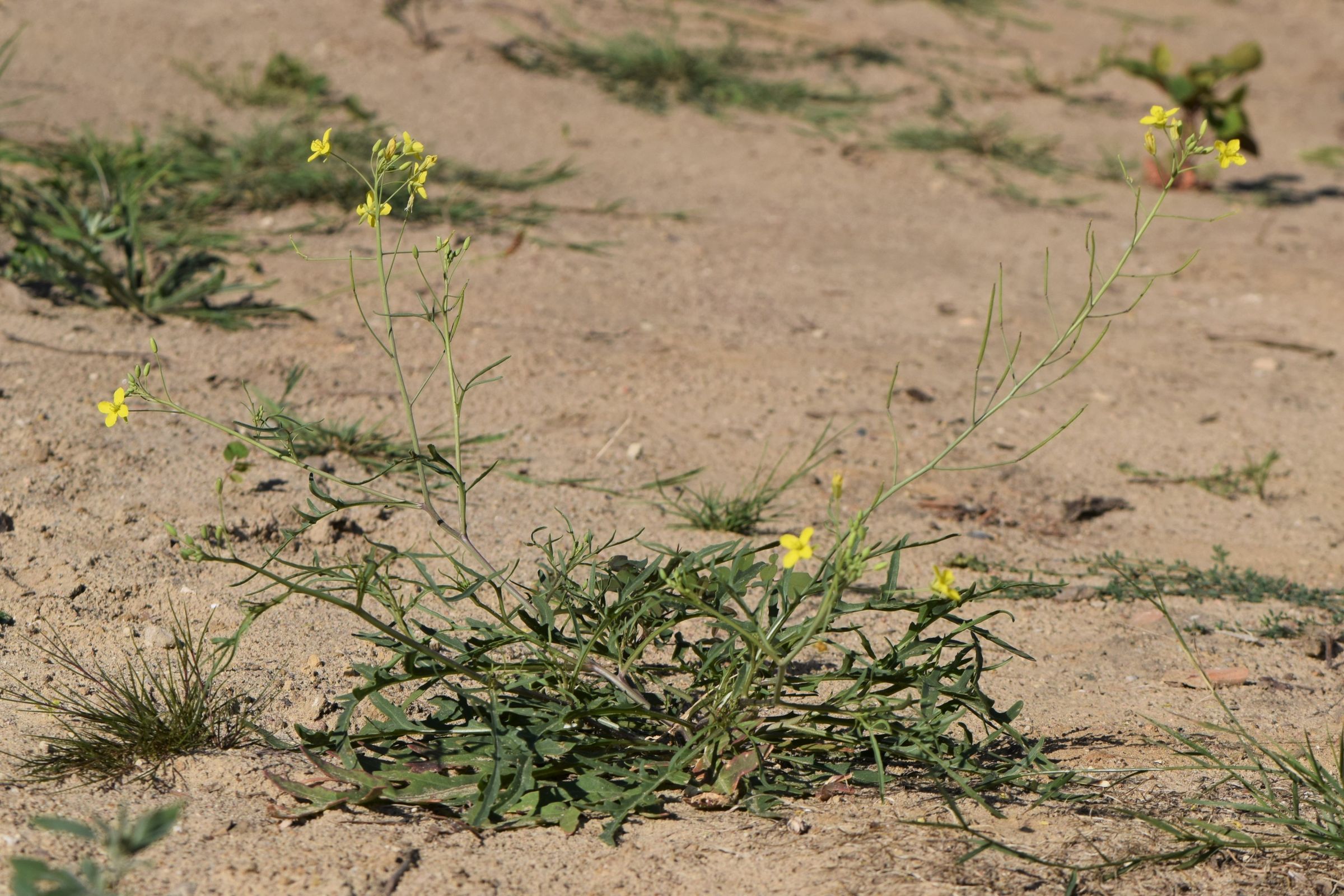
Full sun and well drained soil. Very tolerant of poor ground and dry spells, it naturalises on walls and waste ground, so it asks very little. Very hardy. Often semi evergreen in mild areas, giving leaves over a long season, regrows fast after cutting. Pickable within weeks of sowing in the first year, as a perennial it then crops over a long season for several years.
Perennial wall rocket grows wild across the Mediterranean and much of Europe, and has naturalised in Britain along walls, railway lines and waste ground. Sharp and peppery, it was gathered as a free, abundant wild leaf whose peppery bite enlivened otherwise plain food, a salad leaf and pot herb in Mediterranean cooking for centuries, long before rocket became a supermarket staple. Much of the “wild rocket” sold in salad bags today is in fact this hardy perennial species rather than the annual salad rocket. From a foraged roadside green, it has quietly become a familiar modern salad leaf.
Wall rocket belongs to the cabbage and mustard family, and its peppery bite comes from the same natural mustard oils found in watercress and radish. It is noticeably hotter and more pungent than the salad rocket in most supermarket bags, and the heat builds in older leaves and in summer. Eaten raw, it loses nothing to cooking. Fast regrowing and perennial, it gives fresh greens over a long season with very little input.
Kitchen notes coming soon. We’re growing Perennial Wall Rocket in our cottage garden, and this is where we’ll share how it reaches your plate.
Diplotaxis tenuifolia
The true wild rocket, more peppery than the salad bag kind. It comes back stronger every time we cut it, giving our kitchen fresh leaves over a long season, scattered over pizza, tossed through salads or blended into a peppery pesto.

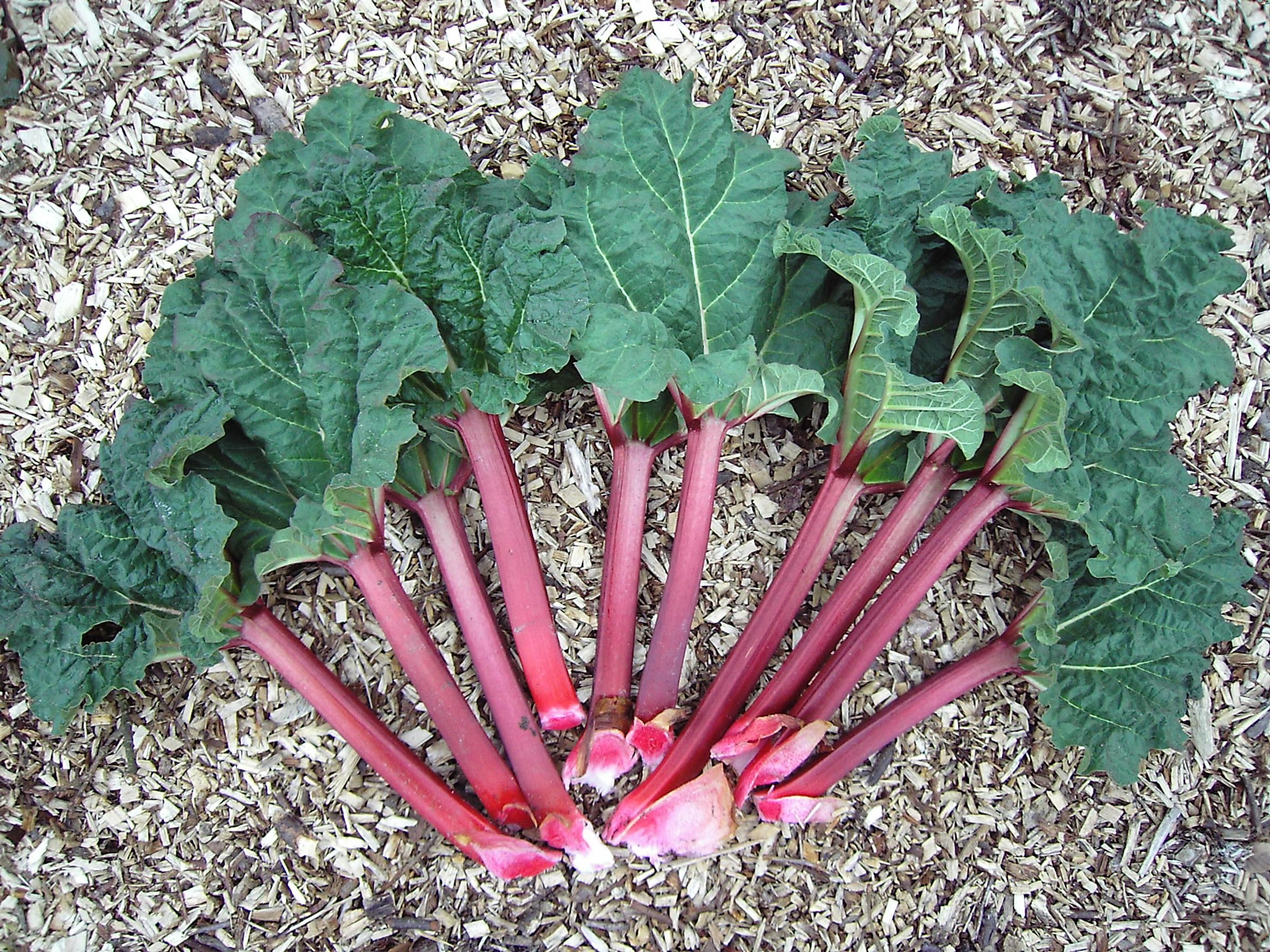
Full sun in rich, fertile, well drained soil with plenty of manure or compost, a hungry plant that rewards good ground. Tolerates a wide range of UK conditions. Fully hardy and actually needs winter cold (a period of dormancy) to crop well, ideally suited to the UK climate. No protection needed. Don’t pull in the first year after planting, take a light crop in year two and full harvests from year three. Crops for many years and divides readily.
Rhubarb’s history begins in Asia, where the dried root was used as a medicine in China for well over two thousand years. It travelled west along trade routes as a costly medicinal import, valued in Europe long before anyone thought to eat the stalks. Only in the 18th and 19th centuries, as sugar became affordable, did rhubarb become a culinary plant in Britain, and it took off spectacularly. The forcing sheds of Yorkshire’s “Rhubarb Triangle”, between Wakefield, Leeds and Morley, grew tender pink stems harvested by candlelight and shipped across the country, making rhubarb a fixture of the British table.
The stalks are very low in calories on their own, and their sharp, sour taste comes from natural malic and oxalic acids. That sharpness is why rhubarb is usually cooked with something sweet, though it also cuts through rich savoury dishes beautifully. Forced early stalks are paler, more tender and less sour than the green summer stalks. Eat the stalks only, the leaves are toxic.
Kitchen notes coming soon. We’re growing Rhubarb in our cottage garden, and this is where we’ll share how it reaches your plate.
Rheum rhabarbarum
The most dependable plant in any British garden, and one of the first crops of the year. Our cottage garden rhubarb goes into crumbles, compotes and cordials, and works surprisingly well in savoury dishes too. We use the stalks only, as the leaves are toxic.

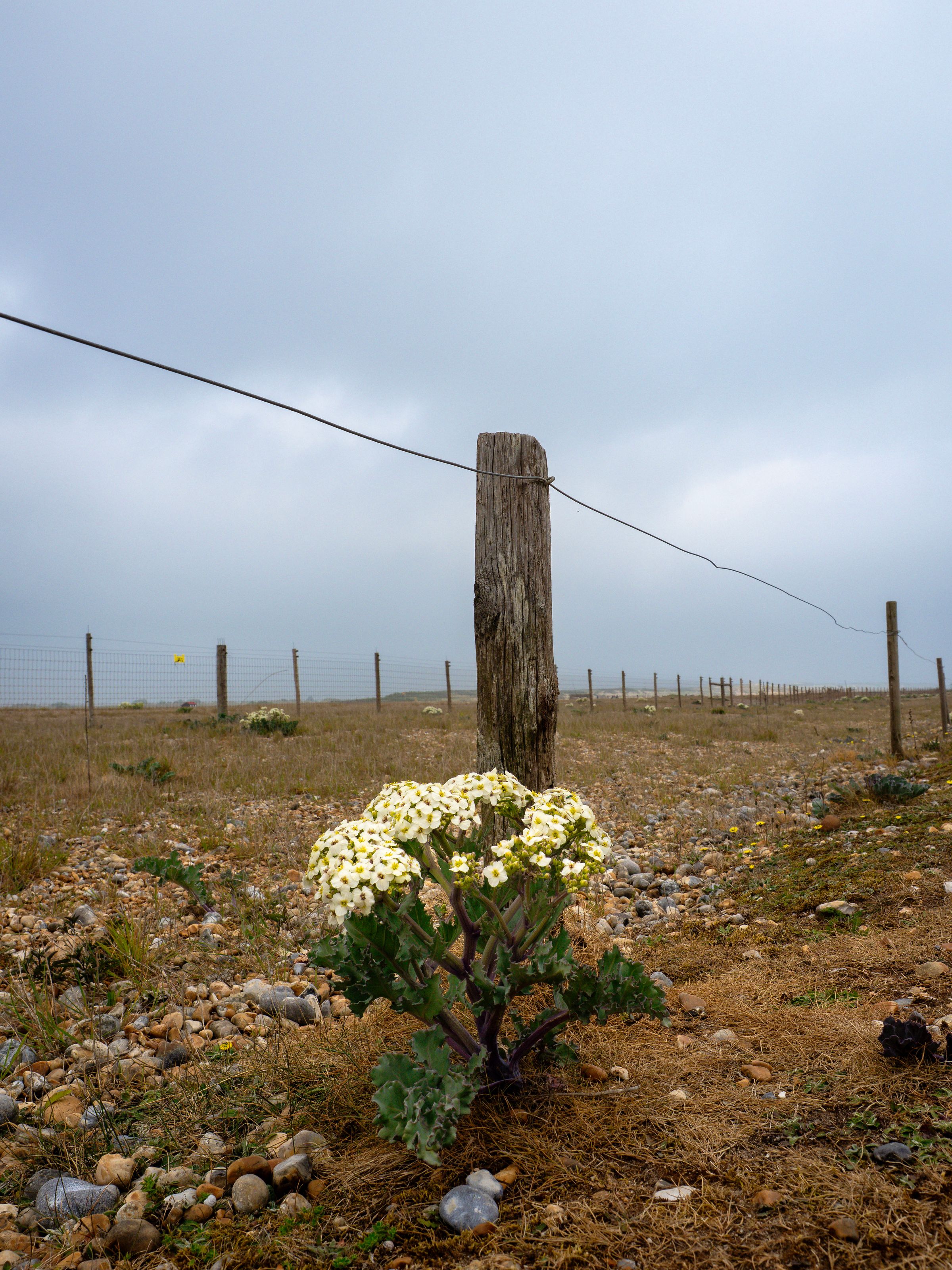
Full sun. Well drained, sandy or light soil, being a shingle beach native it thrives in poor, gritty ground and salt air, but will rot in heavy or waterlogged soil. Ideally suited to a coastal cottage garden. Fully hardy and thrives in exposed coastal conditions. Dies back in winter and comes back in spring, no protection needed. Allow plants to establish for a year or two before forcing or cutting hard, thereafter crops each spring and lives, and produces, for decades.
For centuries sea kale grew wild along the shingle beaches of Britain and northern Europe, where coastal communities gathered the pale young shoots that pushed up through the spring stones, a free and welcome source of fresh greens after a long winter, reputedly heaping shingle over the crowns to blanch them naturally. From the 18th century it was taken from the shore into the garden, and through the Georgian and Victorian eras it became a fashionable cultivated vegetable for genteel tables. Its very popularity led to heavy harvesting of wild colonies, and the plant became scarce enough that it is now protected along many British coasts. It survives today as a heritage vegetable grown by a dedicated few.
A relative of cabbage and kale, but far gentler, with a delicate, nutty flavour some compare to hazelnut and asparagus. The blanched spring shoots are the classic way to eat it, pale, tender and sweet, but the young leaves and the broccoli like flower buds are good too. It is lovely raw when very young, or lightly steamed with butter and lemon. Something genuinely different from everyday greens.
Kitchen notes coming soon. We’re growing Sea Kale in our cottage garden, and this is where we’ll share how it reaches your plate.
Crambe maritima
A native of Britain’s shingle beaches, once gathered by coastal communities as the first greens of spring. It loves salt air, which makes it perfect for our seaside cottage garden. The pale young shoots are tender and nutty, best steamed and finished with butter and lemon.

Full sun to partial shade. Moist, fertile, well drained soil, like most root crops it does best in deep, stone free ground that lets the roots grow long and clean. Fully hardy. Roots can be left in the ground over winter and lifted as required. Harvest roots from autumn through winter, generally from the first or second year, replanted offsets keep it going indefinitely.
Thought to have originated in East Asia, skirret spread westward across Europe in antiquity and became a well loved sweet root in medieval and early modern gardens. A popular anecdote holds that the Roman emperor Tiberius was especially fond of it, even accepting it as tribute, though the story is hard to verify. In Tudor and Stuart England it was a common kitchen garden vegetable, valued for its natural sweetness in an age before sugar was cheap. The arrival and rapid rise of the potato in the 18th century pushed skirret to the margins, and it survives today mainly among growers of heritage vegetables.
A naturally sweet root, with the sweetness coming from sugars in the root itself, which is why it was so prized before sugar was cheap. The taste sits between carrot and parsnip, with a hint of pepper. Older roots can develop a tough central core, which is easily pulled out after cooking. A whole food perennial that adds something different to the usual lineup of root vegetables.
Kitchen notes coming soon. We’re growing Skirret in our cottage garden, and this is where we’ll share how it reaches your plate.
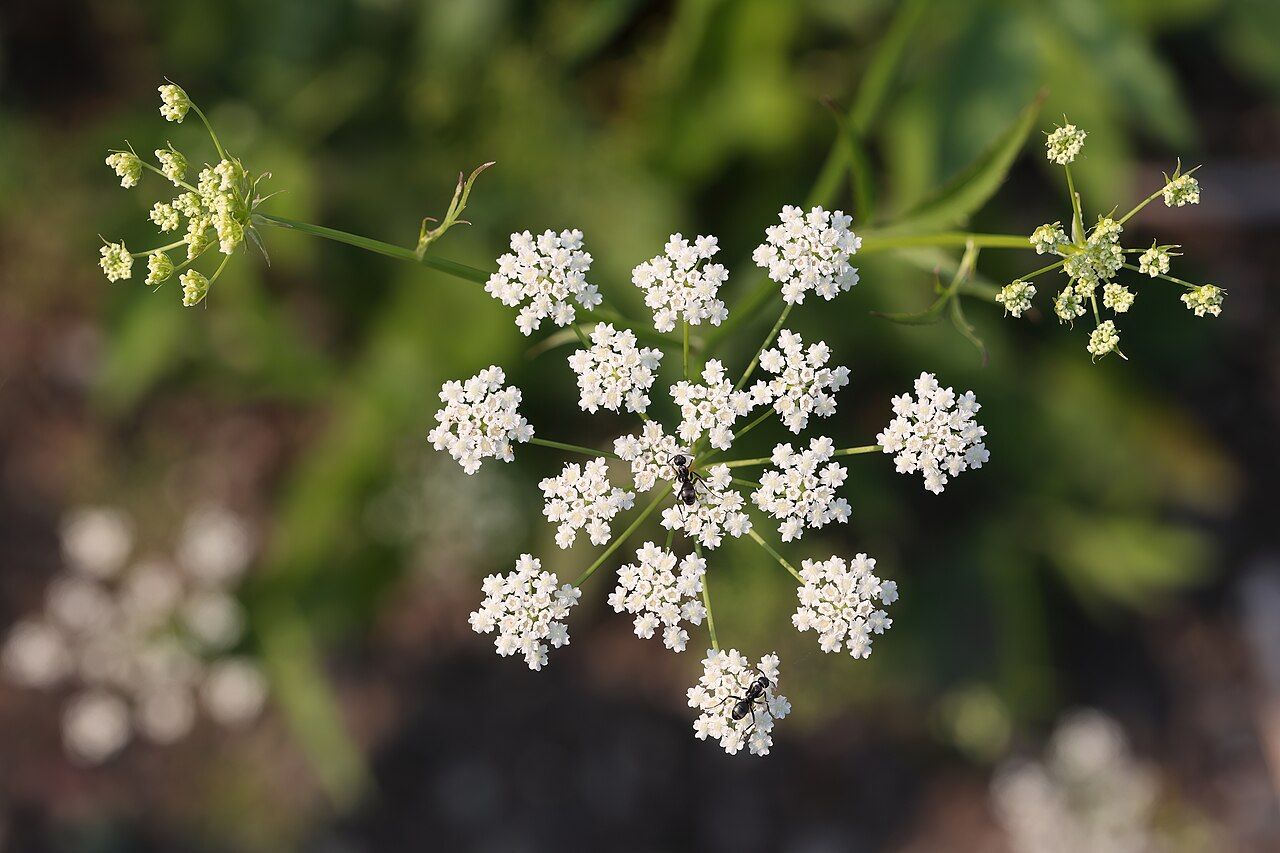
Sium sisarum
Clusters of slender, naturally sweet roots, somewhere between parsnip and carrot. A favourite of Tudor kitchens before the potato pushed it aside, it grows back in our cottage garden year after year. We roast it, mash it or crisp it into fritters.

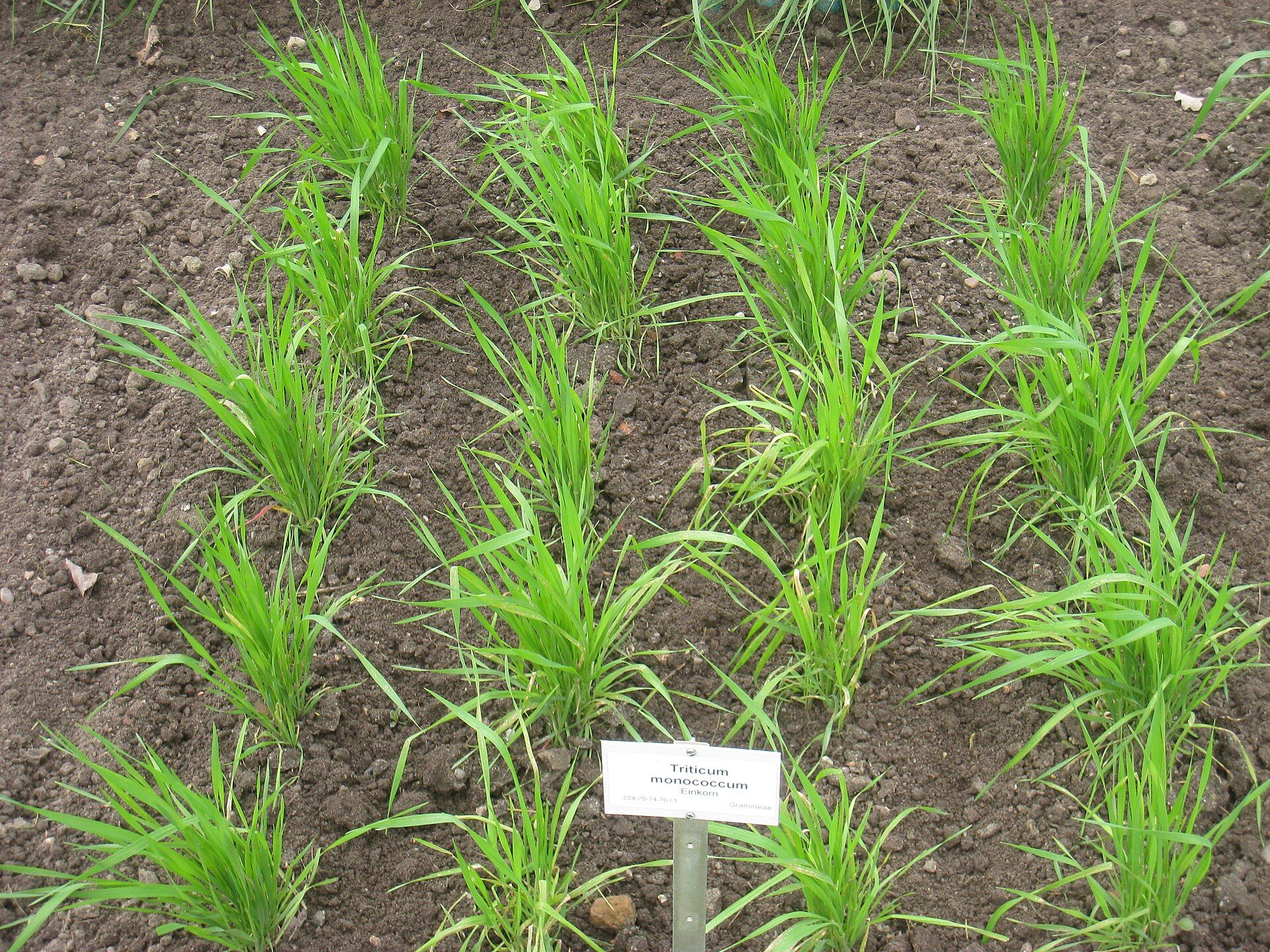
Full sun. Tolerates poor, marginal ground, sandy soils and low nitrogen, where modern wheat struggles. Sown from seed and grown at field scale as a cereal crop rather than a garden plant. Low input by nature, needing little or no added fertiliser. Autumn sown crops overwinter as young plants and are harvested in late summer. Yields are lower than modern wheat, the price of its ancient genetics. Grown as an annual, unlike the perennials.
Einkorn is considered humankind’s first cultivated wheat, first grown in the Fertile Crescent around 12,000 years ago. It is the only wheat never hybridised, so it keeps the form it had thousands of years ago. It was grown across the ancient world, and samples found underwater off the Isle of Wight suggest Britain was trading wheat long before farming arrived here.
A whole, minimally altered ancient grain. Einkorn is naturally rich in lutein, the yellow pigment that gives its flour and our bread their golden colour, and it is generally higher in protein than modern bread wheat. Its gluten is weaker and behaves differently in dough, which is why it suits a long, slow sourdough. The flavour is rich, nutty and almost buttery. Einkorn contains gluten and is not suitable for people with coeliac disease.
Einkorn is the grain behind our slow fermented sourdough.
Triticum monococcum
The oldest cultivated wheat, never hybridised or bred for yield. It is the grain at the heart of our sourdough, stone milled slowly and given a long overnight fermentation, which gives our bread its golden colour and rich, buttery flavour. Contains gluten.

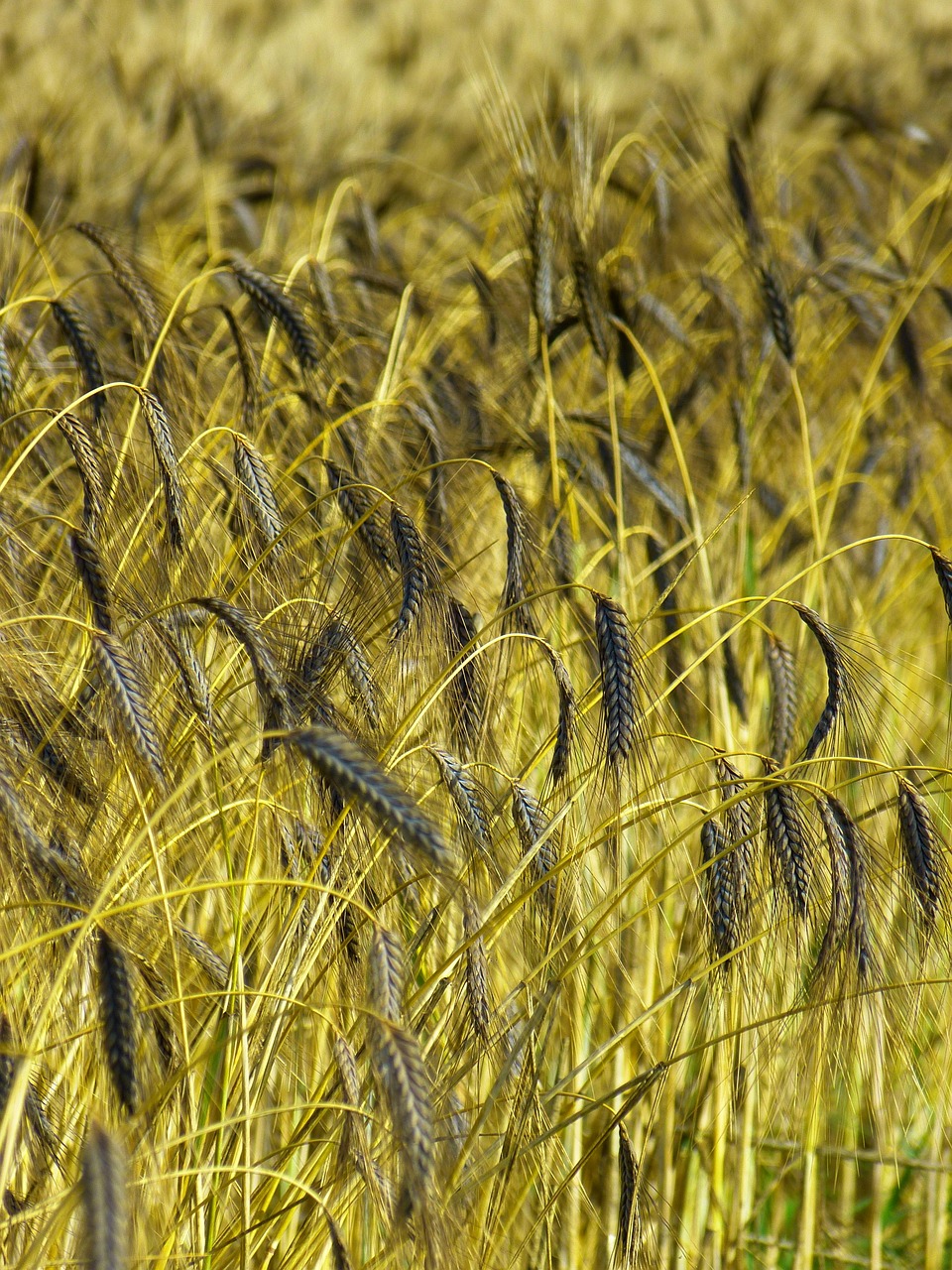
Full sun. Notably tolerant of poor, marginal soils and tough conditions where modern wheat struggles. Sown from seed and grown at field scale as a cereal crop. A hulled wheat, so the grain needs dehulling after threshing. Hardy and undemanding, with little added fertiliser. Autumn sown crops overwinter as young plants and are harvested in late summer. Grown as an annual, like einkorn.
Emmer was domesticated in the Fertile Crescent alongside einkorn around 10,000 years ago and carried across the Near East, Egypt and the Mediterranean. It reached its height under Rome, where it was rationed to soldiers and offered at weddings for luck. The Italian word farina, flour, comes from far, the Roman name for emmer. As higher yielding wheats took over, it survived chiefly in Italy as farro.
A whole ancient grain eaten with the bran and germ intact, so it keeps its natural fibre and protein. It has a deeper, nuttier, slightly earthy flavour than everyday pasta wheat, and holds a pleasant chewy bite when cooked. That firmness is why it works so well as orzo, holding its shape in place of rice. Emmer contains gluten and is not suitable for people with coeliac disease.
Emmer is the grain behind our orzo, which we use across the bistro in place of rice, including a walk out option to take away.
Triticum dicoccum
The ancient grain that fed Rome and the ancestor of today’s durum wheat. In Italy it is still cherished as farro. At Hooper’s it is the grain behind our orzo, which we use across the menu in place of rice for its nutty, earthy flavour. Contains gluten.

Grows on the surface of still, clean fresh water in a tank, trough or pond, in sun to partial shade. No soil needed. Start from a clean cultured source, never a wild pond, and a few fronds will multiply to cover the surface. Feed lightly with a natural nitrogen source such as nettle tea. Skim and harvest little and often: in good conditions it can double in around two days. Growth slows in winter, and a covered tank extends the season.
Duckweed has long been eaten in Laos, Thailand and Myanmar, where it is known as khai nam, or water eggs, and is still sold fresh in markets. It slipped out of Western diets as farming industrialised around grains and field crops, and is now being rediscovered as a sustainable plant protein.
Duckweed is remarkable for a leafy plant: some species, grown in good conditions, can be around 40 percent protein by dry weight. It is grown with nothing but clean water, sunlight and nutrients, and almost the whole plant is eaten. The taste is fresh, mild and green, a little like watercress without the pepper. Duckweed absorbs whatever is in its water, so only eat duckweed grown in clean, controlled water, never from an unknown pond.
Kitchen notes coming soon. We grow duckweed in clean, controlled water as part of our cottage garden, and this is where we’ll share how it reaches your plate.
Lemna and Wolffia species
A tiny floating plant and one of the fastest growing plants on earth, needing nothing but clean water and sunlight. We grow it in clean, controlled water alongside our cottage garden, never gathered from ponds, as part of the old idea that good food can come from the water as well as the soil.

Clean, cool, slow running fresh water, or constantly moist ground at the water’s edge, in sun to partial shade. Grows easily from seed or by rooting cut stems in water. Keep the water clean and moving, and pinch out flowering stems to keep the leaves tender. Hardy, and often stays green in mild winters. Pickable within weeks, then cut and come again for years.
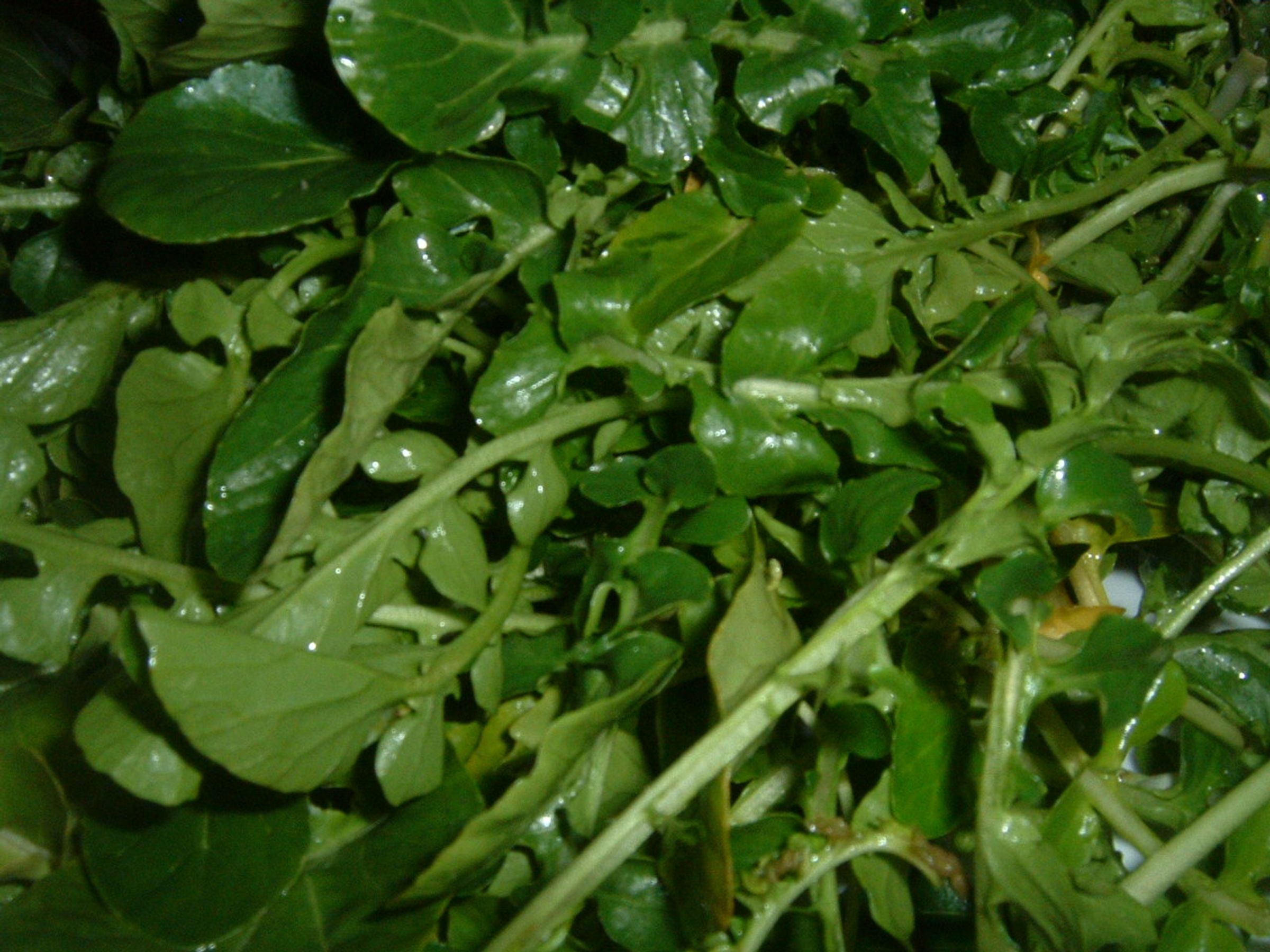
Watercress has been eaten since antiquity and became a defining British food in the 18th and 19th centuries, grown in the chalk streams of Hampshire and Dorset and carried by rail into the cities. Cheap, abundant and nutritious, it was eaten by the handful by working families.
A member of the cabbage and mustard family, watercress contains vitamins C and K, and its peppery bite comes from natural mustard oils. Eaten raw it keeps everything that cooking would lose, though it also makes a classic soup. Sharp, fresh and peppery, it lifts anything it touches. Wild watercress from unknown water can carry parasites and pollutants, so eat only cultivated or clean water grown leaves.
Kitchen notes coming soon. We grow watercress in clean, controlled water as part of our cottage garden, and this is where we’ll share how it reaches your plate.
Nasturtium officinale
Britain’s peppery heritage leaf, once gathered from chalk streams and sold on every street corner. We grow ours in clean, controlled water as part of our cottage garden, so it comes to the kitchen fresh and full of bite, perfect in salads, soups and sandwiches.

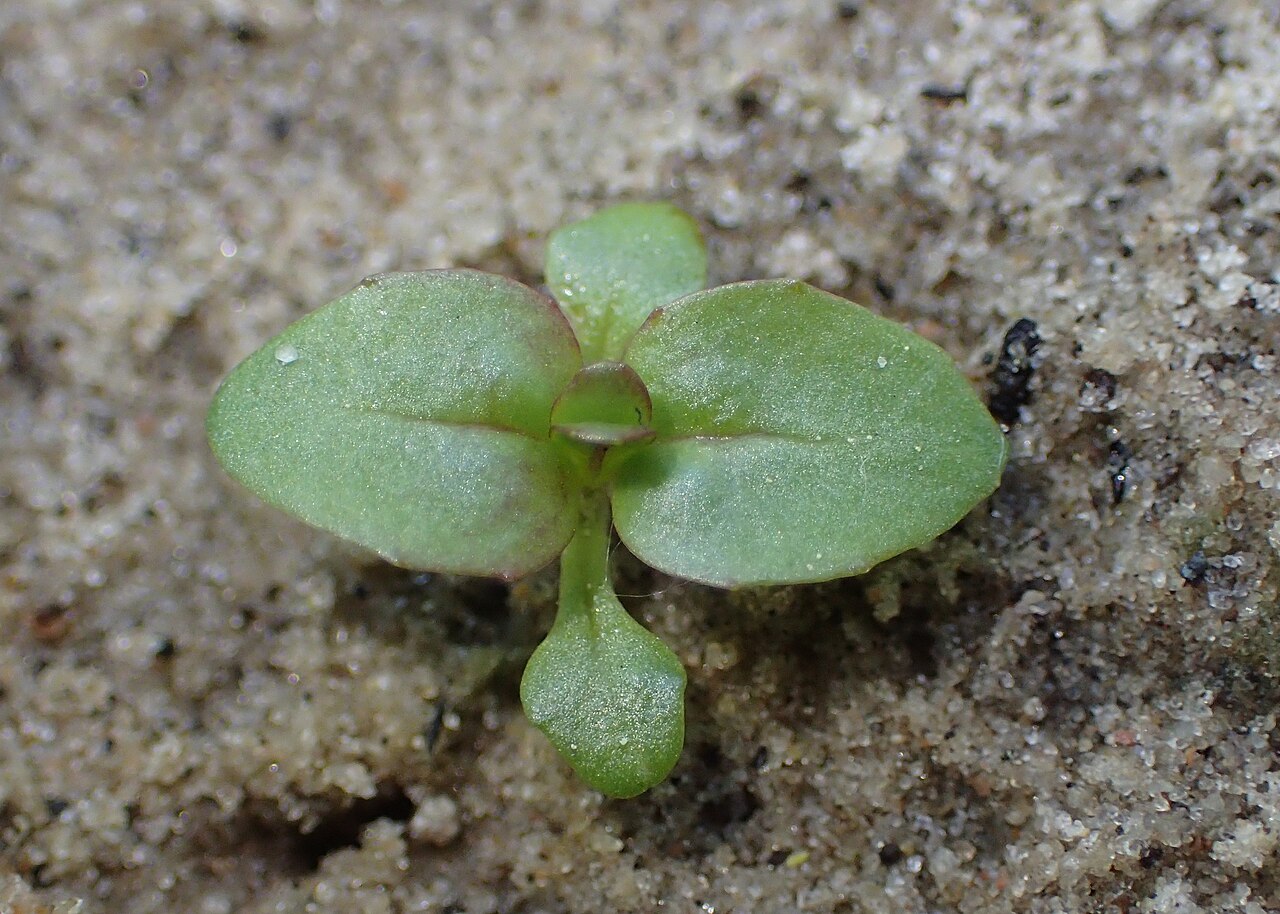
Shallow margins of clean fresh water, wet mud or boggy ground, in sun to partial shade. Roots readily from its creeping stems, or grows from seed, and spreads to form mats. Low maintenance: trim to keep it tender and contained. Fully hardy and among the earlier wild greens of the year. Pick young shoots and leaves through spring and summer.
A long used wild salad and pot herb of the British countryside, brooklime was gathered from streams and wet ditches and eaten with or instead of watercress, valued as a fresh spring green. It faded from the table as foraging gave way to cultivated salads.
A succulent, fleshy green, traditionally eaten in spring as one of the first fresh leaves of the year. The taste is mild with a slightly bitter edge, gentler than watercress, and it was often mixed with it in old salads. Young shoots and leaves are best, eaten raw or wilted like spinach. As with all water plants, eat only clean water grown or cultivated plants.
Kitchen notes coming soon. This is where we’ll share how brooklime reaches your plate.
Veronica beccabunga
A forgotten native green of streamsides and ditch edges, with small blue flowers and fleshy leaves. It was once eaten alongside watercress. We grow it in clean, controlled water as part of our cottage garden, bringing a lost wild leaf back to the table.

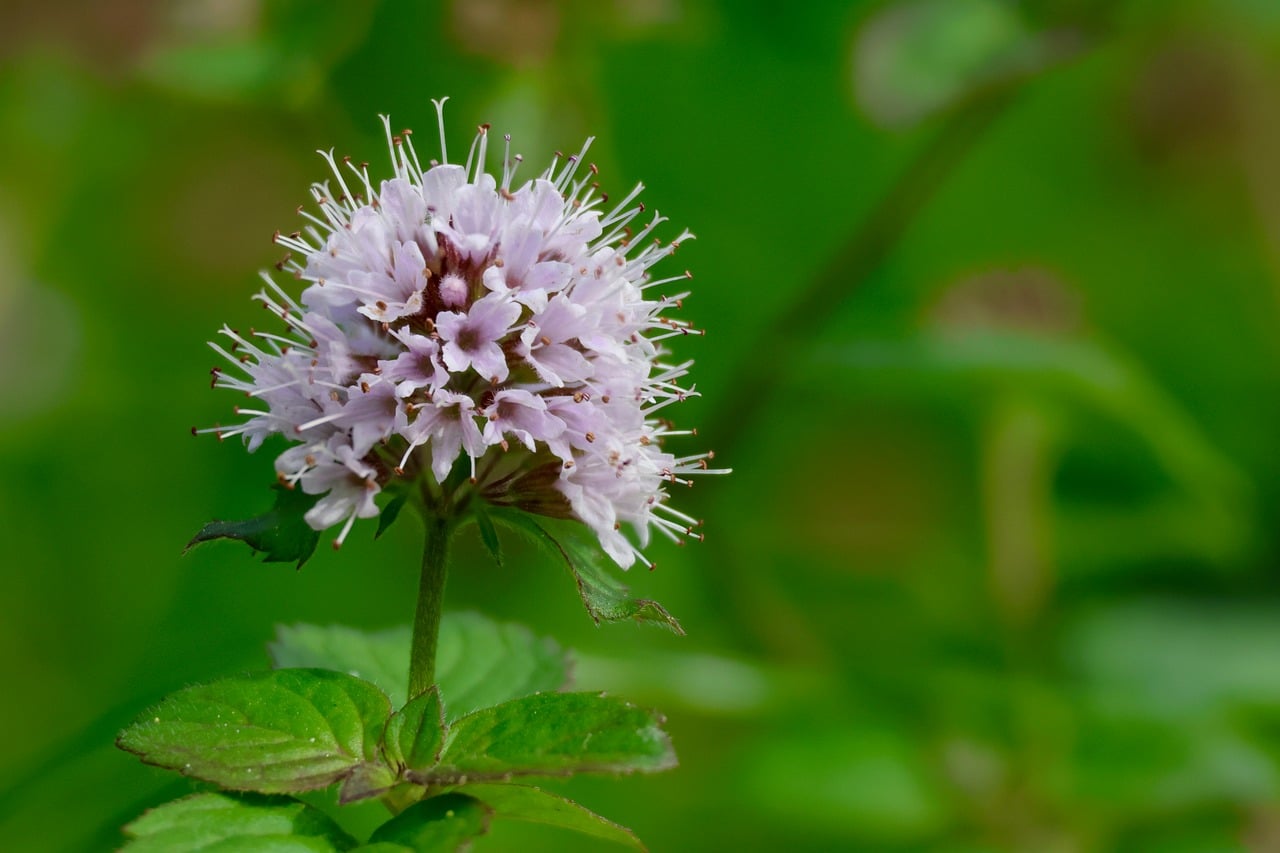
Pond margins, boggy ground or shallow water, in sun to partial shade. It thrives in wet spots where most herbs fail. Spreads easily by runners, so it is best contained. Cut back to keep it tender. Fully hardy, dying back in winter and returning each spring, with leaves from spring to autumn.
Native across Britain and Europe, water mint was one of the wild mints used for flavouring, teas and around the home long before garden mints were widely grown. A familiar plant of the wetland edge, used where it grew.
Aromatic rather than a bulk source of nutrients, water mint is valued for its natural essential oils, the same family of oils that give all mints their cooling taste. Its flavour is stronger and more pungent than garden spearmint, with a peppery, almost camphor like note. A few leaves are enough for a pot of tea or a jug of water. Use it sparingly, and eat only clean water grown plants.
Kitchen notes coming soon. This is where we’ll share how water mint reaches your plate.
Mentha aquatica
A native wild mint of the water’s edge, with lilac flowers and a powerful, fresh aroma. We grow it in clean, controlled water beside our cottage garden and use it sparingly in our kitchen, in teas, dressings and drinks.
Comedy, live music, karaoke and pop up evenings in the bistro. There’s always something to look forward to.

Swansea Beach
(296–298 Oystermouth Road)
Our family run bistro, coffee shop and guest rooms, right across the road from the sand.

The bistro
(Last Friday of every month)
A night of live stand up in the bistro, with food and drinks from our kitchen and bar. All welcome.

The bistro
(Dates through the year)
Pop up live music, karaoke and bistro evenings through the year, including our Crooners Karaoke Club.

Hooper’s
(By arrangement)
We host private celebrations and gatherings at Hooper’s. Call us on 07855 941717 to talk through your plans.
(From the air)
Sand, sea and Hooper’s on the seafront, seen from the sky.
Give us a call on 07855 941717 and we’ll save you a seat.
Let us know when you book and we’ll do our best to help.
Of course. Walk in any time we’re open.
Our opening times change through the seasons. Tap Hours in the menu bar to see them.
Call us on 07855 941717 We’re always happy to help!